


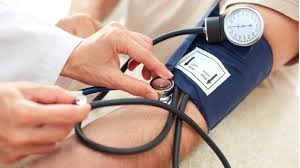

BP problems often develop silently. You wake up in the morning, make your tea, go about your day, and feel completely fine No headache, no chest pain, no dizziness. Everything seems normal. But inside your body, something dangerous might already be happening.
High blood pressure or hypertension is often called the “silent killer” for a very good reason. It causes no obvious symptoms in most people, yet month after month, year after year, it quietly chips away at your heart, kidneys, brain, and blood vessels. By the time most people find out they have it, the damage has often already begun.
What Is High Blood Pressure, Exactly?
Blood pressure is simply the force your blood exerts against the walls of your arteries as your heart pumps it through your body. A normal reading sits around 120/80 mmHg. When that number consistently stays above 140/90 mmHg, you’re in hypertension territory.
The two numbers matter equally:
- Systolic (top number) — pressure when your heart beats
- Diastolic (bottom number) — pressure when your heart rests between beats
Even slightly elevated numbers, if ignored over time, can set off a chain reaction of damage throughout the body.
Why Do So Many People Have It Without Knowing?
Here’s the uncomfortable truth hypertension has no reliable warning signs. Most people feel perfectly well even when their blood pressure is dangerously high. There’s no pain, no visible symptom, nothing that screams “go see a doctor.”
This is why millions of people walk around for years with uncontrolled high BP, never getting checked, never taking medication, completely unaware that their organs are quietly suffering. Over time, high blood pressure can seriously damage the kidneys, making regular checkups with a kidney specialist in Patna important for protecting long-term health.
By the time symptoms like severe headaches, vision problems, or breathlessness appear it often means the damage is already significant.
The Hidden Ways High BP Destroys Your Health
1. It Attacks Your Kidneys Slowly and Severely
This is one of the most underappreciated consequences of high blood pressure. Your kidneys are filled with tiny, delicate blood vessels called glomeruli that filter waste from your blood. When BP is chronically high, these vessels take a beating they get thickened, narrowed, and eventually damaged.
Over time, the kidneys lose their ability to filter blood properly. Waste starts building up in the body. Protein leaks into the urine. And if left unchecked, hypertension can lead to chronic kidney disease (CKD) and in severe cases, kidney failure requiring dialysis.
What makes this worse? Damaged kidneys then raise blood pressure further, creating a vicious cycle that’s very hard to break without medical intervention.
2. It Puts Your Heart Under Constant Stress
Every time your heart pumps blood against high pressure, it has to work harder than it should. Over time, this extra effort causes the heart muscle to thicken and stiffen — a condition called left ventricular hypertrophy. The heart becomes less efficient, increasing the risk of:
- Heart attacks
- Heart failure
- Irregular heartbeat (arrhythmia)
High BP also accelerates atherosclerosis the buildup of plaques inside arteries making blockages more likely.
3. It Can Trigger a Stroke Without Warning
Your brain depends on a steady, smooth flow of blood. High blood pressure weakens and narrows the blood vessels supplying the brain. This can cause a blood vessel to either burst (hemorrhagic stroke) or get blocked (ischemic stroke) — both life-threatening emergencies that can leave permanent disability or cause death.
Hypertension is the single biggest risk factor for stroke worldwide. And stroke, like BP itself, often strikes without much warning.
4.It Damages Your Eyes
The blood vessels inside your eyes are extremely fragile. Persistently high BP can rupture these vessels, lead to retinal swelling, and even cause hypertensive retinopathy resulting in blurred vision or permanent vision loss. Many people don’t realize their eyesight is suffering due to their blood pressure.
5. It Affects Your Brain’s Long-Term Health
Ongoing high blood pressure reduces blood flow to the brain over time. This contributes to vascular dementia a form of memory loss and cognitive decline caused by reduced blood supply to brain tissue. Studies consistently show that people with uncontrolled hypertension in middle age face a significantly higher risk of dementia later in life.
Who Is Most at Risk?
While hypertension can affect anyone, certain factors increase your risk significantly:
- Family history of high blood pressure or heart disease
- High-salt diet — a very common problem in Indian households
- Obesity or being overweight
- Physical inactivity
- Smoking and excessive alcohol
- Chronic stress — a growing concern in today’s fast-paced life
- Diabetes — which often accompanies hypertension
- Age — risk increases significantly after 40
What Can You Do Right Now?
The good news is that high blood pressure is both preventable and manageable. Small, consistent lifestyle changes make a remarkable difference:
-
- Reduce salt intake — aim for less than 5 grams per day
- Exercise consistently — even 30 minutes of brisk walking daily makes a measurable difference
- Maintain a healthy weight
- Quit smoking and limit alcohol
- Manage stress — meditation, deep breathing, and adequate sleep are powerful tools
- Get regular BP check-ups — especially after age 35
- Take prescribed medications consistently never stop without your doctor’s guidanceHigh BP also accelerates atherosclerosis the buildup of plaques inside arteries making blockages more likely.
Conclusion
If you’re in Bihar and concerned about your kidney health, consulting a trusted Kidney Specialist in Patna can help you catch problems early and protect your long-term health. For comprehensive kidney care and hypertension management, reaching out to the Best Nephrologist in Patna could genuinely be one of the most important health decisions you make this year.
Frequently Asked Questions (FAQs)
Q1. Can high blood pressure damage the kidneys even if I feel fine?
Absolutely. This is one of the most dangerous aspects of hypertension. Since it causes no pain or obvious symptoms, kidney damage can progress silently for years. Regular urine and blood tests are the only way to catch it early which is why routine check-ups are so important.
Q2. How do I know if my BP has already affected my kidneys?
Your doctor will typically check for elevated creatinine levels in the blood and protein (albumin) in the urine. These are early warning signs that the kidneys are under stress. A nephrologist can run a complete kidney function panel to give you a clear picture.