whatsapp-icon call-icon

Ignoring These Minor Symptoms? Know why It is Time to Book a Doctor!

Most individuals usually ignore some of the initial health problems, thinking that they will go away automatically. Swelling in the feet, fatigue, altered urine routine, or persistent back ache may all seem insignificant. However, such health problems can often serve as signs of possible underlying kidney diseases that should not be ignored under any circumstances.

Healthy kidneys ensure overall good health by filtering waste from your body, controlling blood pressure, regulating electrolytes, and performing other functions for the normal functioning of the body system. In cases where the kidneys start signaling trouble, early detection and treatment become critical. You should visit the Best Nephrologist in Patna when needed.

Why Minor Symptoms Should Not Be Ignored

Kidney diseases, by and large, are progressive and do not exhibit any symptomatology until the disease is quite advanced. For this reason, many people usually go for treatment at an advanced stage of their disease.

It becomes important to take note of these symptoms to:

  • Avoid the risk of having kidney failure.
  • Minimize chances of undergoing dialysis in critical conditions.
  • Get better treatment results.
  • Enjoy good quality of life.

Seeking advice from an experienced Kidney Specialist in Patna is crucial in this regard.

Common Symptoms That Require Medical Attention

1. Swelling in Feet, Ankles, or Face

If your kidneys don’t work well, there will be too much fluid and salt in the body, resulting in water retention. People think it happens because of exhaustion or standing for a long time, but you always need to consult a doctor when you have persistent swelling.

2. Changes in Urination

Observe:

  • Frequent urination, especially during nighttime
  • Decreased urination
  • Urine foam
  • Bloody urine
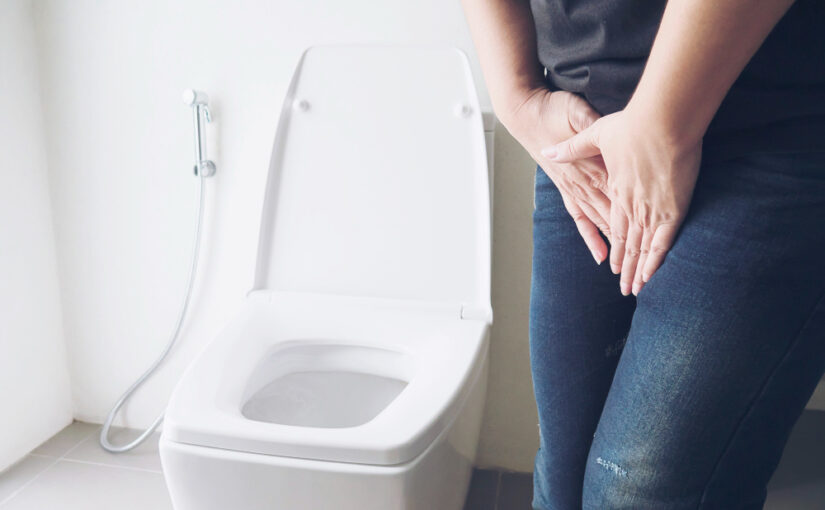
  • Discomfort during urination

They can mean kidney problems, infections, or something else.

3. Constant Fatigue and Weakness

Normal kidney functions involve producing hormones that help to produce red blood cells. Therefore, kidney malfunction results in anemia, leading to tiredness and exhaustion all the time.

4. Persistent High Blood Pressure

Kidney health and high blood pressure are related issues. High blood pressure affects the kidneys, and kidney issues affect blood pressure levels. Monitoring is therefore critical.

5. Loss of Appetite and Nausea

If the body fails to filter the accumulated toxins from the blood efficiently, there could be some:

  • Lack of appetite.
  • Feelings of nausea and vomiting.
  • Metallic taste in the mouth.
  • Weight loss without explanation.

Neglecting these symptoms means missing early intervention.

6. Lower Back Pain

When people have pain on the sides of their lower back, this could mean having kidney stones or infections. Such pain should not be ignored.

7. Difficulty Sleeping

In cases where kidneys cannot clear the toxins from the blood, there is sleeplessness and general discomfort.

Who Is at Higher Risk of Kidney Disease?

There are some people who are at a higher risk of getting kidney-related ailments like:

  • People with diabetes
  • Those with hypertension
  • Patients with a family history of kidney diseases
  • Smokers
  • Older people
  • People with obesity

As such, if you fall under these criteria, then it is all the more necessary that you undergo health screenings. You could seek guidance from the Best Nephrologist in Patna and take precautions before it’s too late.

Importance of Early Diagnosis

Most kidney diseases can be referred to as ‘silent killers’ since the symptoms occur when it is already too late. If you go through early detection, your doctors will be able to:

  • Figure out the reason behind kidney dysfunction
  • Suggest some changes in your lifestyle
  • Advise medicines to arrest the progression of the disease
  • Prevent the occurrence of complications like kidney failure

Timely treatment not only protects kidney function but also improves overall health and longevity.

Simple Ways to Maintain Healthy Kidneys

Along with medical guidance, adopting healthy habits can support kidney health:

Stay Hydrated

Drinking adequate water helps kidneys remove waste efficiently.

Control Blood Sugar Levels

People with diabetes should regularly monitor blood glucose to minimize kidney damage.

Manage Blood Pressure

Maintaining normal blood pressure significantly reduces the risk of chronic kidney disease.

Eat a Balanced Diet

Include fruits, vegetables, whole grains, and reduce excessive salt intake.

Avoid Self-Medication

Frequent use of painkillers and certain medications without medical supervision can harm the kidneys.

Exercise Regularly

Physical activity helps maintain healthy blood pressure and body weight.

Schedule Routine Health Check-Ups

Regular screening allows early detection of kidney problems before symptoms become severe.

When Should You See a Kidney Specialist?

You should visit a Kidney Specialist in Patna if you have any of these signs:

  • Prolonged swelling
  • Blood in the urine
  • Frequent cases of urinary tract infections.
  • High blood pressure
  • Fatigue
  • Decreased urine production.
  • Family history of kidney conditions

Early medical intervention will not only help avoid complications but will also keep your kidneys healthy and functioning properly for a long time.

Conclusion

Small health concerns are the signs that something is not okay, and they should be addressed immediately to avoid serious health issues. Be it any symptoms – swelling, fatigue, urine, or high blood pressure  visiting the Best Nephrologist in Patna would help identify the condition.

At Nitesh Kuro, we understand that timely consultation and early diagnosis are essential for the best treatment results. Do not ignore anything that your body says; schedule an appointment right away to save yourself from future health issues.

5 Warning Signs It’s Time to Book an Appointment with a Urology Doctor

Urology issues are becoming more prevalent than ever, as urinary tract and kidney disorders continue to affect people due to poor diets, sedentary lifestyles, stress, and other underlying medical conditions. The problem is, people are not paying attention to these symptoms and assume that everything will be fine. In most cases, such delay in getting treatment can cause various complications involving the kidneys, urinary tract, and bladder.

A Best Nephrologist in Patna who deals with diseases that are related to urinary tract systems in men and women. Detecting symptoms and getting proper medical help is crucial to avoiding complications in the future. Here are some symptoms of urological diseases that should not be ignored.

1. Frequent Urination or Difficulty Urinating

One of the telltale signs that point to urological issues include a change in urination habits. Increased frequency, particularly nocturnal trips to the toilet, could mean something is wrong.

It might be time to see a urology doctor if any of these occur:

  • Frequent urination during the daytime
  • Trouble urinating
  • Decreased flow of urine
  • An urge to urinate immediately
  • Incomplete bladder emptying

This could be related to infections in the urinary tract, prostate enlargement, or other issues within the kidneys or bladders.

2. Blood in Urine

The presence of blood in your urine, which is referred to as hematuria, should not be brushed off as inconsequential. It can happen just once and then disappear without a trace, but there is always an underlying cause.

Causes can range from:

  • Kidney stones
  • Urinary tract infections
  • Bladder infections
  • Kidney problems
  • Urological cancers

Your urology expert will conduct all the needed tests to get to the bottom of the problem and prescribe the correct treatment.

3. Persistent Lower Back or Side Pain

Lower back, side, or abdominal pain can sometimes suggest kidney or urinary tract diseases. Kidney problems such as stones or infections often cause excruciating pain that can worsen without treatment.

Some typical signs of these issues include:

    • Severe pain in the lower back
    • Pain on one side of the body
    • Painful urination
    • Nausea coupled with back pain
    • Fevers with urinary symptoms

Patients who experience these symptoms must visit a doctor immediately. Visiting a Good Nephrologist in Patna can help determine the connection between these symptoms and kidney disease or other ailments.

4. Recurrent Urinary Tract Infections (UTIs)

Even though some patients suffer from UTIs occasionally, frequent UTI cases might be due to other factors. UTIs can lead to the malfunctioning of kidneys.

Some signs of recurrent UTIs include:

  • Pain during urination
  • Dark-colored urine
  • Pelvic pain
  • Incessant need to urinate
  • Fever accompanied by chills

A good urologist doctor will be able to diagnose the condition effectively and give the best advice for dealing with future cases.

5. Swelling, Fatigue, and Kidney-Related Symptoms

Kidney diseases usually manifest slowly, hence it is hard to detect their symptoms early on. As the diseases progress, the organs become dysfunctional, resulting in certain symptoms that shouldn’t be ignored.

These signs include:

  • Foot swelling
  • Fatigue
  • Lack of appetite
  • Confusion
  • High blood pressure

If one suffers from any of these symptoms, it is highly recommended that one consults a specialist for professional medical advice. You can get the help of the Best Nephrologist in Patna, who can examine your kidney, determine possible problems, and suggest appropriate medication before the situation becomes worse.

Why Early Diagnosis Matters

There are many urological and kidney disorders that are effectively treated if identified in the initial stage. Putting off treatment will only cause problems like kidney disease, kidney infection, obstruction of the urethra, and poor quality of life.

Advantages of early detection are as follows:

  • Quick recovery
  • Effective results
  • Fewer complications
  • Increased kidney function
  • Overall good health

Regular check-ups and consulting specialists may prove very helpful.

Tips for Maintaining a Healthy Urinary System

You can boost your urinary and kidney health through adopting the following basic practices:

  • Drink sufficient amount of water everyday
  • Have a balanced diet
  • Minimize your intake of salty foods
  • Stay away from smoking and excess drinking
  • Engage in regular exercise
  • Control diabetes and hypertension levels
  • Pay attention to your urinary system always

These above-listed preventive steps can go a long way in preventing any urological problems in future.

Conclusion

Good urinary and kidney health are paramount in your general health. Conditions like constant urge to urinate, traces of blood in urine, chronic back pains, recurring UTIs, and swelling among other symptoms should not be disregarded in any way. Timely detection and treatment can go a long way in safeguarding your health.

In case you are suffering from any of the listed symptoms, it will do you good to seek a visit with the Best Urologist in Patna. It is only timely medical attention that can guarantee you good health in the future.

How High BP is Silently Damaging People’s Health?

BP problems often develop silently. You wake up in the morning, make your tea, go about your day, and feel completely fine No headache, no chest pain, no dizziness. Everything seems normal. But inside your body, something dangerous might already be happening.

High blood pressure or hypertension is often called the “silent killer” for a very good reason. It causes no obvious symptoms in most people, yet month after month, year after year, it quietly chips away at your heart, kidneys, brain, and blood vessels. By the time most people find out they have it, the damage has often already begun.

What Is High Blood Pressure, Exactly?

Blood pressure is simply the force your blood exerts against the walls of your arteries as your heart pumps it through your body. A normal reading sits around 120/80 mmHg. When that number consistently stays above 140/90 mmHg, you’re in hypertension territory.

The two numbers matter equally:

  • Systolic (top number) — pressure when your heart beats
  • Diastolic (bottom number) — pressure when your heart rests between beats

Even slightly elevated numbers, if ignored over time, can set off a chain reaction of damage throughout the body.

Why Do So Many People Have It Without Knowing?

Here’s the uncomfortable truth hypertension has no reliable warning signs. Most people feel perfectly well even when their blood pressure is dangerously high. There’s no pain, no visible symptom, nothing that screams “go see a doctor.”

This is why millions of people walk around for years with uncontrolled high BP, never getting checked, never taking medication, completely unaware that their organs are quietly suffering. Over time, high blood pressure can seriously damage the kidneys, making regular checkups with a kidney specialist in Patna important for protecting long-term health.

By the time symptoms like severe headaches, vision problems, or breathlessness appear it often means the damage is already significant.

The Hidden Ways High BP Destroys Your Health

1. It Attacks Your Kidneys Slowly and Severely

This is one of the most underappreciated consequences of high blood pressure. Your kidneys are filled with tiny, delicate blood vessels called glomeruli that filter waste from your blood. When BP is chronically high, these vessels take a beating they get thickened, narrowed, and eventually damaged.

Over time, the kidneys lose their ability to filter blood properly. Waste starts building up in the body. Protein leaks into the urine. And if left unchecked, hypertension can lead to chronic kidney disease (CKD) and in severe cases, kidney failure requiring dialysis.

What makes this worse? Damaged kidneys then raise blood pressure further, creating a vicious cycle that’s very hard to break without medical intervention.

2. It Puts Your Heart Under Constant Stress

Every time your heart pumps blood against high pressure, it has to work harder than it should. Over time, this extra effort causes the heart muscle to thicken and stiffen — a condition called left ventricular hypertrophy. The heart becomes less efficient, increasing the risk of:

  • Heart attacks
  • Heart failure
  • Irregular heartbeat (arrhythmia)

High BP also accelerates atherosclerosis the buildup of plaques inside arteries making blockages more likely.

3. It Can Trigger a Stroke Without Warning

Your brain depends on a steady, smooth flow of blood. High blood pressure weakens and narrows the blood vessels supplying the brain. This can cause a blood vessel to either burst (hemorrhagic stroke) or get blocked (ischemic stroke) — both life-threatening emergencies that can leave permanent disability or cause death.

Hypertension is the single biggest risk factor for stroke worldwide. And stroke, like BP itself, often strikes without much warning.

4.It Damages Your Eyes

The blood vessels inside your eyes are extremely fragile. Persistently high BP can rupture these vessels, lead to retinal swelling, and even cause hypertensive retinopathy resulting in blurred vision or permanent vision loss. Many people don’t realize their eyesight is suffering due to their blood pressure.

5. It Affects Your Brain’s Long-Term Health

Ongoing high blood pressure reduces blood flow to the brain over time. This contributes to vascular dementia a form of memory loss and cognitive decline caused by reduced blood supply to brain tissue. Studies consistently show that people with uncontrolled hypertension in middle age face a significantly higher risk of dementia later in life.

Who Is Most at Risk?

While hypertension can affect anyone, certain factors increase your risk significantly:

  • Family history of high blood pressure or heart disease
  • High-salt diet — a very common problem in Indian households
  • Obesity or being overweight
  • Physical inactivity
  • Smoking and excessive alcohol
  • Chronic stress — a growing concern in today’s fast-paced life
  • Diabetes — which often accompanies hypertension
  • Age — risk increases significantly after 40

What Can You Do Right Now?

The good news is that high blood pressure is both preventable and manageable. Small, consistent lifestyle changes make a remarkable difference:

    • Reduce salt intake — aim for less than 5 grams per day
    • Exercise consistently — even 30 minutes of brisk walking daily makes a measurable difference
    • Maintain a healthy weight
    • Quit smoking and limit alcohol
    • Manage stress — meditation, deep breathing, and adequate sleep are powerful tools
    • Get regular BP check-ups — especially after age 35
    • Take prescribed medications consistently never stop without your doctor’s guidanceHigh BP also accelerates atherosclerosis the buildup of plaques inside arteries making blockages more likely.

Conclusion

If you’re in Bihar and concerned about your kidney health, consulting a trusted Kidney Specialist in Patna can help you catch problems early and protect your long-term health. For comprehensive kidney care and hypertension management, reaching out to the Best Nephrologist in Patna could genuinely be one of the most important health decisions you make this year.

Frequently Asked Questions (FAQs)

Q1. Can high blood pressure damage the kidneys even if I feel fine?
Absolutely. This is one of the most dangerous aspects of hypertension. Since it causes no pain or obvious symptoms, kidney damage can progress silently for years. Regular urine and blood tests are the only way to catch it early which is why routine check-ups are so important.

Q2. How do I know if my BP has already affected my kidneys?
Your doctor will typically check for elevated creatinine levels in the blood and protein (albumin) in the urine. These are early warning signs that the kidneys are under stress. A nephrologist can run a complete kidney function panel to give you a clear picture.

Importance of Early Kidney Disease Diagnosis

Diagnosis of a person’s health depends on how well the body functions and performs its essential activities. The kidneys support the body by removing waste, controlling blood pressure, and helping in normal blood production. Consulting the Best Nephrologist in Patna becomes important because kidney disease often develops slowly and may not show symptoms until the later stages. Many people may not realize they have kidney damage until it becomes severe. Early diagnosis is crucial to prevent complications and protect overall health.

Kidney disease can occur in people of any age. Conditions such as diabetes, high blood pressure (or hypertension), obesity, poor lifestyle choices, infections, and a family history of kidney disease all impact a person’s risk of developing kidney disease. When these diseases are diagnosed early, treatment can begin before the kidney becomes permanently damaged.

Why Early Diagnosis Matters

Identifying early kidney disease allows doctors to pinpoint the issues associated with chronic renal insufficiency before too much function has been lost. Most cases of chronic kidney disease can be managed effectively if they are identified early on. A late diagnosis can result in many different complications.

For example, patients who receive an early diagnosis of chronic kidney disease can also begin making treatment-related changes sooner. These treatment-related changes often include medication adjustments, dietary modifications, regular follow-up visits, etc. Making all of these changes will typically result in a much longer-term improvement in kidney function.

Common Warning Signs of Kidney Disease

In the beginning stages of kidney related ailments, a patient may not notice any signs of an issue with their kidney. Being able to recognize the early warning signs will help someone to see a doctor sooner.

Some common symptoms include:

  • Swelling in hands, feet, or face.
  • Urinate more than normal, especially at night.
  • Blood in urine.
  • Foamy urine.
  • Feeling tired or weak.
  • Elevated Blood Pressure.
  • Elevated Blood Pressure.
  • Hard to think clearly.
  • Loss of appetite.
  • Nausea or vomiting.

If these symptoms continue for a long time, it is important to speak with your Healthcare provider for a proper assessment.

Risk Factors That Should Not Be Ignored

There are certain people more prone to developing renal disease who should have prescribed routine wellness checks.

Diabetes

High glucose levels damage the small capillaries within the kidney. The longer an individual has uncontrolled high blood glucose, the more damage occurs and the more ineffective their kidneys are at filtering waste out of their body.

High Blood Pressure

Having uncontrolled hypertension causes extra stress to the renal capillaries. Due to this stress, there is a very high probability that a person with uncontrolled hypertension will suffer from kidney damage.

Obesity

Being overweight can severely impair kidney function and increase the risks of developing both diabetes and hypertension.

Family History

People with family histories of renal disease are at a much higher likelihood of developing the same renal disease. Therefore, these individuals should be under higher scrutiny for maintaining healthy kidneys.

Role of Diagnostic Tests

Proper medical evaluation and diagnostic testing capabilities are vital in providing an early diagnosis of renal disease. Many tests may be recommended by the physician for determining how the kidneys are functioning and any abnormalities present.

Common Tests Used to Diagnose Renal Disease Are:

  • Blood Tests
  • Urine Tests
  • Kidney Function Studies
  • Ultrasound
  • CT Scan
  • Blood Pressure Monitoring

By performing these tests, the physician will be able to assess how much damage is present in the kidney of the patient and, therefore, develop a treatment plan that is tailored to the particular individual.

Importance of Consulting a Specialist

Kidney problems need specialized medical assistance and ongoing evaluation through time. The best nephrologist in Patna will aid you in having your kidney disorder diagnosed correctly, treated properly, and given the proper direction to manage the disease.

Nephrologists have many years of experience finding the underlying reason for kidney problems and delivering appropriate intervention to stop additional complications from occurring. They will assist patients with instructions on how to modify their diets, manage their medications, and lead a healthy lifestyle.

Long-Term Benefits of Early Detection

By obtaining an early diagnosis, you can maximize your treatment success and minimize your future healthcare costs and complications. Individuals who receive early diagnoses for kidney disease will typically experience fewer instances of acute kidney failure and will continue to lead a better quality of life.

Having your physician provide timely medical intervention has allowed many individuals diagnosed with kidney disease to better manage their illness and still participate in normal daily activities with reduced risk of serious health issues.

Conclusion

Chronic Kidney Disease poses a dire threat to your health; You can no longer ignore it! As many kidney ailments can develop with little or no symptoms, early diagnosis is vital to avoid irreversible damage and/or improve the success of treatment. Speaking with an best Kidney Doctor in Patna will ensure that you receive a timely and accurate diagnosis, with access to the latest treatment options and ongoing effective management of your renal-related condition(s).

Kidney Decline: 3 Major Signs You Should Never Ignore

Kidney health is extremely important for maintaining the body’s overall balance and proper functioning. The kidneys help remove waste, control blood pressure, balance fluids, and support healthy body functions. However, many kidney problems develop slowly and often remain unnoticed until the condition becomes serious. Consulting a trusted kidney Specialist in Patna at the right time can help detect kidney disease early and prevent severe complications.

Kidney decline happens when the kidneys gradually lose their ability to filter waste and toxins effectively. Early diagnosis and proper treatment are essential because untreated kidney disease may eventually lead to kidney failure. Understanding the warning signs can help patients seek timely medical care and protect long-term kidney health.

1. Swelling in the Body

One of the most common signs of kidney decline is swelling, also known as edema. When kidneys are not functioning properly, they struggle to remove extra fluid and sodium from the body. As a result, fluid starts building up in different areas.

Patients may notice swelling in:

  • Feet and ankles
  • Legs
  • Hands
  • Face or around the eyes

This swelling often becomes more noticeable in the morning or after long periods of sitting or standing. Many people ignore mild swelling initially, but it can indicate reduced kidney function and should not be overlooked.

A professional Best Nephrologist in Patna can evaluate the cause of swelling through kidney function tests and other diagnostic investigations. Early treatment can help manage the condition before it becomes severe.

2. Changes in Urination

Changes in urination patterns are another major warning sign of kidney decline. Since kidneys are responsible for producing urine and removing waste from the body, kidney damage often affects normal urination.

Some common urinary changes include:

  • Frequent urination, especially at night
  • Reduced urine output
  • Foamy or bubbly urine
  • Blood in urine
  • Pain or burning during urination
  • Dark-colored urine

Foamy urine may indicate protein leakage, which can be a sign of kidney damage. Blood in urine should always be medically evaluated because it may indicate kidney infection, stones, or other serious conditions.

People experiencing persistent urinary problems should immediately consult a kidney Specialist in Patna for proper diagnosis and treatment.

3. Constant Fatigue and Weakness

Kidney decline can also affect energy levels and overall physical health. Healthy kidneys help produce a hormone called erythropoietin, which supports red blood cell production. When kidney function decreases, the body may produce fewer red blood cells, leading to anemia.

This often causes symptoms such as:

  • Extreme tiredness
  • Weakness
  • Difficulty concentrating
  • Shortness of breath
  • Low energy levels

Many patients mistake these symptoms for stress or lack of sleep, but persistent fatigue can sometimes indicate worsening kidney function.

Consulting the Best Nephrologist in Patna can help identify whether fatigue is linked to kidney-related complications or another medical condition.

Why Early Detection Matters

Kidney diseases often progress silently, especially during the early stages. Many patients only realize the severity of the condition when kidney function has already declined significantly. Early diagnosis allows doctors to slow disease progression and reduce complications through medications, lifestyle changes, and proper monitoring.

Regular health checkups are especially important for people who have:

  • Diabetes
  • High blood pressure
  • Obesity
  • Family history of kidney disease
  • Smoking habits

Routine kidney function tests can help detect problems before symptoms become severe.

Tips to Protect Kidney Health

Maintaining healthy kidneys requires consistent lifestyle habits and preventive care. Some important kidney health tips include:

  • Drink enough water daily
  • Control blood sugar levels
  • Manage blood pressure properly
  • Avoid smoking and alcohol
  • Limit excessive salt intake
  • Exercise regularly
  • Avoid unnecessary painkiller use
  • Get regular medical checkups

Healthy habits can significantly reduce the risk of kidney disease and support better long-term health.

Conclusion

Kidney decline can seriously affect overall health if warning signs are ignored. Swelling, urinary changes, and constant fatigue are three major symptoms that should never be overlooked. Early diagnosis and timely treatment play an important role in preventing severe kidney damage and improving quality of life.

Consulting an experienced kidney Specialist in Patna ensures proper evaluation, accurate diagnosis, and personalized kidney care. With guidance from the Best Nephrologist in Patna, patients can better manage kidney health and reduce the risk of future complications through preventive care and long-term monitoring.

FAQs

Q1. What are the early signs of kidney decline?

Ans- Common early signs include swelling, changes in urination, fatigue, high blood pressure, and difficulty concentrating.

Q2. Can kidney decline be treated?

Ans- Yes, early-stage kidney decline can often be managed with medications, lifestyle changes, and regular monitoring by a nephrologist.

Q3. When should I consult a nephrologist?

Ans- You should consult a nephrologist if you experience persistent swelling, urinary problems, fatigue, or abnormal kidney test results.

A Comprehensive Guide to Understanding and Managing UTI Symptoms

Understanding (UTI) Urinary Tract Infections are a reason adults go to the doctor, especially women. These infections usually start with problems like a little pain when you go to the bathroom or having to go a lot. If you do not take care of tract infections, they can become very serious and even hurt your kidneys. You need to know what causes tract infections, what their symptoms are, and also how you can prevent them so you can have good urinary health for a very long time. Understanding tract infections is really significant. If you feel any of the following symptoms, you should visit the best Nephrologist in Patna

Let’s look at the causes of UTIs

Urinary tract infections are usually caused by bacteria, and the bacteria that causes them the most are Escherichia coli, which is the same bacteria that live in our stomach and intestines. When these bacteria get into our system through the tube that carries urine out of our body and start to grow in our bladder, that is when the infection occurs. 

While anyone can get a urinary tract infection, women are more likely to get one as their urethra is shorter and it is closer to their rectum, so it is easier for the bacteria to get to the bladder. Other common causes of increase in chances of getting a tract infection include: 

  • Sexual Activity: Having sex can push bacteria into the urethra. 
  • Menopause: When your estrogen levels drop, it can change the balance of bad bacteria in your vagina, thereby making it easier to get UTIs. 
  • Blockages: Things like kidney stones or an enlarged prostate gland can block urine flow, which can lead to growth.
  • Dehydration: If you do not drink water, your body has a harder time flushing out bad stuff that can make you sick.

Let’s look at the symptoms of UTIs

Finding out early that you have a problem is significant to stop things from getting worse. When you have a UTI, you might see these signs:

  • You really need to go to the bathroom all the time, even when you do not have a lot of urine in your bladder.
  • It stings while you are urinating.
  • Your urine looks cloudy, smells bad, or has blood in it, which can make it look pink or red.
  • You have pain in your stomach right in the middle or around the bone in the front of your pelvis. 

If you get a high fever, feel cold, feel sick to your stomach, or have a sharp pain in your back or side, UTI may have spread to your kidneys and you need to see a doctor right away.

Prevention as well as Treatment 

Some urinary tract infections are not dangerous. They might go away if you drink more water. The best way to get rid of UTIs is to take antibiotics. This is because you want to make sure that all of the bacteria that are causing the tract infection are gone. For people who get tract infections a lot, there are some simple things you can do to help prevent them. 

  • To stay healthy, you should drink a lot of water. Aim for 8 to 10 glasses of water every day. This helps to keep your system flushed and working properly. 
  • When it comes to hygiene, always remember to wipe from front to back after using the restroom. This is important because it helps to avoid spreading bacteria. 
  • After you have sex, try to urinate. This will help in clearing any bacteria that might have entered your urethra. 
  • With the food you eat, you can support your health. You should consider eating probiotics such as yogurt which supports bacteria in your body. You can also try cranberry supplements. These may help to prevent bacteria from sticking to the bladder wall, which is a good thing for your health.

Conclusion

Drinking water and eating the foods can really help with hydration and Dietary Support habits. Remember to practice Post-Sex Habits and Hygiene every day. If you pay attention to your body and take care of yourself, you can easily deal with UTIs and stay healthy. You must visit the best urology doctor in Patna and get yourself treated. 

FAQs

Q1: How much time will it take for symptoms to improve?

Ans: Many patients start feeling better within 24 to 48 hours after starting antibiotics. Nevertheless, it is crucial to complete the entire course even if the pain has stopped, or else, UTI could return even stronger. 

Q2: Can men also get UTIs?

Ans: Yes, certainly, even though it is not so common in women. As urethra in men is longer, UTI usually signals another issue, like a kidney stone or an enlarged prostate. This needs to be evaluated by a urologist doctor. 

logo

NC:105, Alakh House, SBI officers colony, near gayatri mandir, opposite lohiya nagar mount Carmel school, kankarbagh, patna :800020

+91 86380 31344

info@niteshkuro.com

Location