


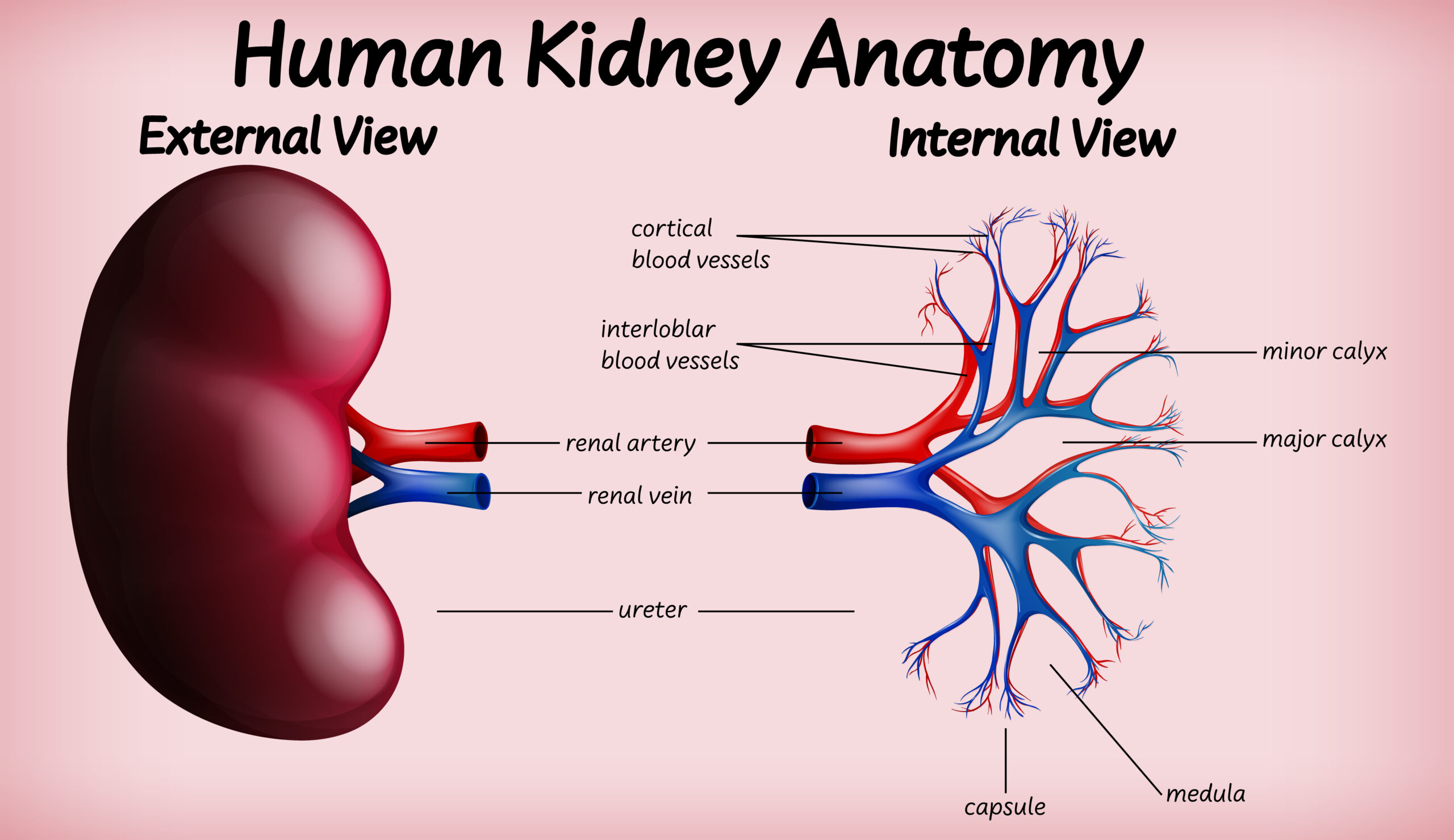

eGFR or estimated glomerular filtration rate and creatinine are two important indicators of kidney function. While an individual test result does not always give complete information on kidney health and function, these numbers can help physicians discover possible kidney issues, monitor existing conditions, and determine whether further testing is required.
Creatinine is a waste product produced as a by-product of muscle metabolism and is removed from the blood by the kidneys. If kidney function worsens, creatinine accumulates in the bloodstream. However, creatinine levels can also depend on other factors, such as age, muscle mass, diet, dehydration, and certain medications. That is why doctors often use creatinine along with eGFR, instead of evaluating creatinine alone.
eGFR Levels and What They Mean
eGFR measures the efficiency of blood filtration by the kidneys. To calculate eGFR, several factors are required, including blood creatinine, age, and sex. In general, the higher the eGFR level, the better is the efficiency of kidney filtration; however, it is still necessary to evaluate the results.
If an eGFR score is greater than or equal to 90, it is considered normal or high in the absence of kidney injury. If the score ranges between 60 and 89, the kidney function could be considered mildly impaired, although this does not automatically mean the presence of chronic kidney disease. Nitesh Kumar also emphasizes that it is relevant to check for other abnormalities that point to kidney malfunction, for example, protein or albumin in urine.
If an eGFR score is under 60 for more than three months, this indicates the existence of chronic kidney disease. If it goes below 30, severe kidney impairment takes place and requires careful monitoring.
Understanding eGFR Changes Over Time
Why eGFR Can Change
The eGFR result for an individual may change due to short-term conditions like dehydration, sickness, use of medication or creatinine fluctuation. Hence, one abnormal reading cannot be taken as a sign of permanent kidney damage. Doctors always consider past readings while interpreting current values.
In case of a progressive decrease in eGFR, physicians might advise further tests such as urine albumin-creatinine ratio, blood pressure measurement, blood analysis, or kidney imageries.
Early diagnosis becomes essential in case of subjects diagnosed with diabetes, high blood pressure, cardiovascular disease, or having kidney disease running the family.
When Should You See a Kidney Specialist?
If you are worried about your kidney tests, speak to a doctor. For stones and other urinary problems, you can consult Dr. Nitesh Kumar at Sri Kripa Urocare, Kankarbagh, Patna, if you have high levels of protein in urine or blood, hypertension, or sudden fluctuations in kidney function. When choosing a kidney Specialist in Patna, people should ensure the expert considers not just lab results or medical history, but also medications, symptoms, and risk factors.
They may come across the name Nitesh Kumar while searching for kidney specialists. However, choosing the right professional should be based on qualifications and experience rather than just its popularity.
eGFR and Creatinine: The Bigger Picture
The eGFR and creatinine results must be interpreted together. Broadly similar creatinine levels can produce widely different eGFR results since many variables determine kidney function. In the same vein, mildly abnormal results can mean different things depending on whether they are new, old, or accompanied by other abnormalities.
If you’ve recently had a kidney test and got abnormal results, don’t panic, and don’t change your medication or diet without consulting your doctor. If you are worried about your kidney tests, speak to a doctor. For stones and other urinary problems, you can consult Dr. Nitesh Kumar at Sri Kripa Urocare, Kankarbagh, Patna.
eGFR and creatinine readings are key steps toward better understanding kidney function. Regular checkups, good management of blood pressure and blood sugar, and proper hydration will help keep your kidneys in good shape.