


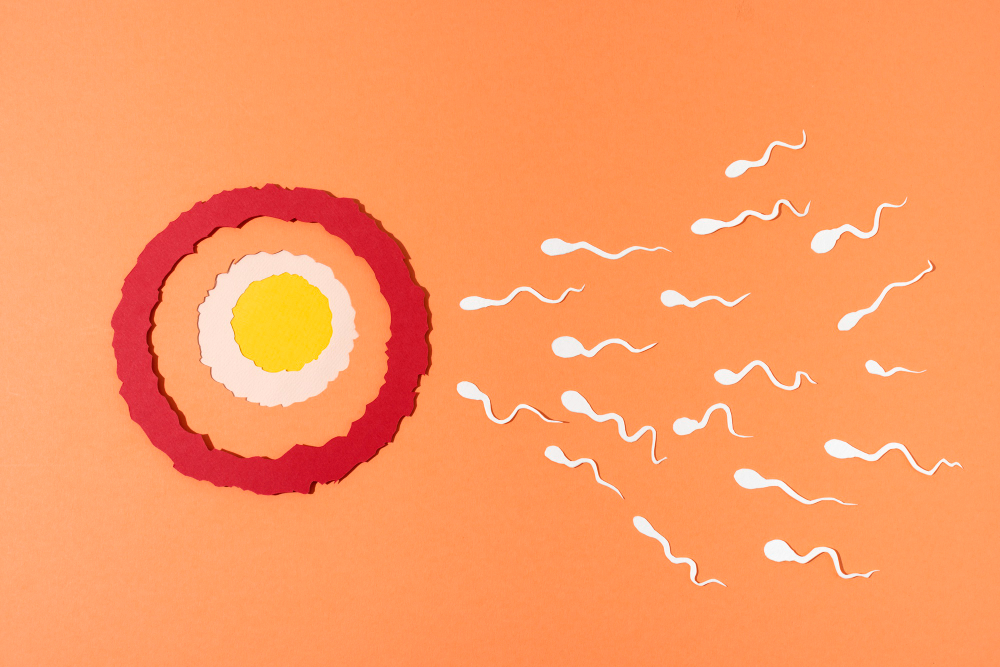

The human species is experiencing an invisible and silent baseline change. The discussion revolving around decreased birthrates for years has been limited to changes in the socioeconomic environment, occupational trends, and female choices regarding reproduction. Unfortunately, there is accumulating evidence from scientific research that uncovers a rather disturbing truth – global male fertility is experiencing a nosedive. The word “Spermageddon” may sound like a movie slogan, but it is now an increasingly popular term among epidemiologists and andrologists.
A groundbreaking meta-analysis by scientists such as Dr. Hagai Levine showed that sperm concentration decreased by more than 51% from 1973 to 2018. Moreover, the research indicates that the process has accelerated twofold since the start of the new millennium. Is humanity indeed going through a reproductive crisis? To discover what is happening to modern men, we should study the science, the causes, and consequences. If you are worried about your fertility, you can consult an andrologist in Patna.
The Hard Numbers: An Accelerating Decline
But for years, critics dismissed early studies pointing out declining sperm counts as merely local issues or changes in laboratory procedures used for testing. But this changed after comprehensive reviews of the data were published in prestigious journals such as Human Reproduction Update. Historical Baseline: In 1973, the average unselected man had 101 million sperm cells in one millilitre of his ejaculate.Modern Baseline: In 2018, this number plummeted to an average of just 49 million per millilitre.
Degree of Decline Per Year: While a reduction in the number of sperm occurred at a yearly rate of 1.16% during the latter half of the twentieth century, this rate increased significantly to 2.64% per year after 2000. These are population averages. A fall in average sperm counts does not mean that any one man is infertile. This is no longer a problem limited to the “Western lifestyle.” The most dramatic decline rates can now be found in South and Central America, Asia, and Africa.
The Culprits: The Toxic Mix of Modern Life
Sperm is a very delicate living organism. It serves as a “canary in a coal mine” for the physiological condition of the male body. According to specialists, the main cause of this drop is a combination of many external influences.
Endocrine Disrupting Chemicals (EDCs)
Today’s world is full of man-made chemicals. Every day, men come into contact with phthalates, BPA, and parabens. Found in everything from receipts and plastics to shampoo and food containers, these chemicals mimic hormones. They deceive the endocrine system, blocking testosterone and the hormonal signals necessary for creating sperm. Some studies suggest that exposure to such chemicals before birth may affect how a baby boy’s reproductive system develops.
The Lifestyle Tax: Heat, Weight, and Tech
It needs a microenvironment about 2°C lower than normal body temperature. However, current conditions often run counter to these requirements. Desk jobs, tight clothing, and long sitting all contribute to trapping heat in the scrotum, creating thermal stress for developing cells. This, combined with the high levels of obesity in males that transform testosterone into estrogen, makes it difficult to produce sperm.
Infertility: A Sign of a Broader Health Condition
The concept of “spermageddon” is much more than simply being unable to conceive. According to the medical field, poor sperm quality is a clear sign of general disease. In this case, there is a strong relationship between a decrease in sperm count and a 1% to 2% yearly reduction in male testosterone. The hormonal deficiency is closely linked to the development of metabolic syndrome, type 2 diabetes, heart disease, and testicular cancer. Poor sperm quality can sometimes be linked to other health conditions, which is another reason to get checked.
Can We Turn The Tide?
While the macro numbers may look bleak, humans have tremendous biological resilience. Since one cycle of spermatogenesis takes about 74 days, there is enough time to make lifestyle and environmental changes and see tangible results.
- Get Rid of the Plastics: Limit the use of plastic containers for food storage. Do not heat food in plastic packaging. Drink water from stainless steel or glass bottles.
- Cool Down the Micro-Climate: Take short breaks during desk work. Avoid hot tubs, and do not keep laptops in your lap.
- Talk to your doctor before taking supplements such as zinc, CoQ10 or vitamins C and E. Evidence for them is mixed.
- Get checked if you are having trouble conceiving: A semen analysis is a simple first test, and couples who have not conceived after a year of regular unprotected intercourse should see a doctor.
Conclusion: A Call for Global Action
The “Spermageddon” problem cannot be solved by personal lifestyle changes alone. What is needed is a radical change in how consumer products are regulated and produced. Public health initiatives must also target male fertility. If the trend of decreasing sperm counts remains unchecked, its consequences would transform society within a few generations. It is high time that people heard the canary in the coal mine. If you and your partner have been trying to conceive for a year without success, consider a semen analysis and a consultation with a urologist or andrologist, such as Dr. Nitesh Kumar at Sri Kripa Urocare, Kankarbagh, Patna.
This article is for general information and does not replace a medical consultation.