


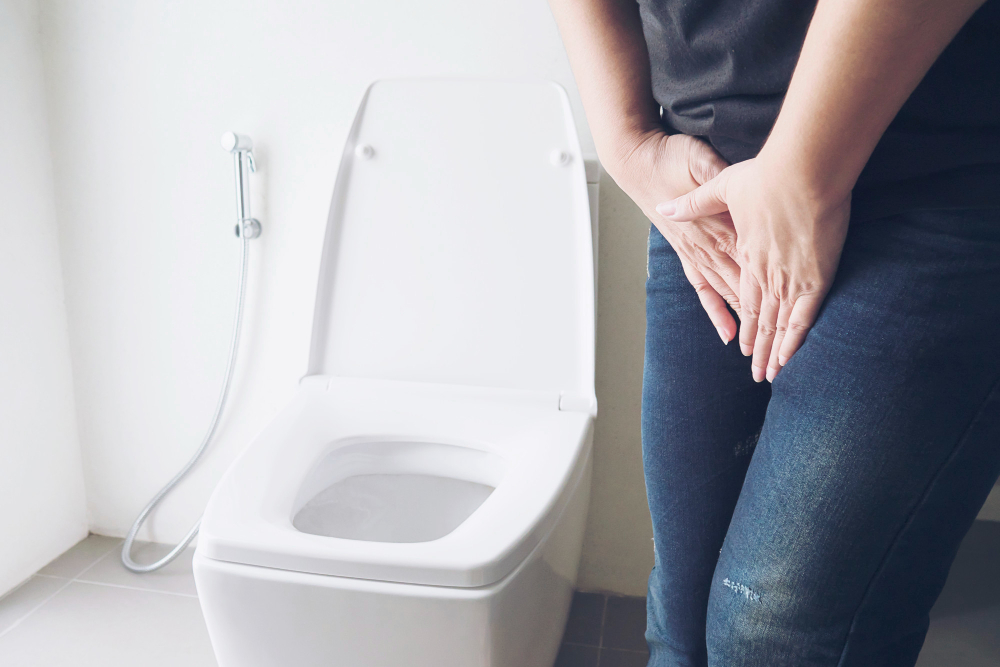

Stream strength is something many men rarely think about until they notice a change in their urination habits. A weak urine stream, difficulty starting urination, or taking longer than usual to empty the bladder may seem like minor inconveniences. However, these changes can sometimes indicate an underlying prostate or urinary tract problem. Although a weak stream does not always mean something serious is happening, persistent symptoms should not be ignored, particularly as men get older.
At niteshkuro, raising awareness about men’s urinary and prostate health can help encourage timely medical evaluation. The prostate is a small gland located below the bladder and surrounding the urethra, the tube that carries urine out of the body. When the prostate becomes enlarged or inflamed, it can affect urine flow and cause noticeable changes in urination. Recognising these symptoms early can help men seek appropriate medical advice.
Why Is a Weak Urine Stream a Warning Sign?
A healthy urine stream generally flows without significant difficulty. If the stream gradually becomes weaker, stops and starts, or requires extra effort, it may indicate that urine is not passing through the urethra as easily as before.
Men experiencing Prostate Urine Problems in Patna should consider consulting a qualified urologist for an appropriate assessment. Early evaluation can help identify the underlying cause, whether it is an enlarged prostate, inflammation, a urinary tract problem, or another medical condition. Understanding the cause is essential for choosing the right treatment.
5 Warning Signs Men Should Never Ignore
1. A Consistently Weak Urine Stream
One of the most noticeable symptoms of prostate enlargement is a gradual reduction in urine flow. The stream may become thinner, slower, or less forceful than usual.
This can happen when an enlarged prostate presses against the urethra, restricting the passage of urine. Although benign prostatic hyperplasia (BPH), or non-cancerous prostate enlargement, is a common cause in older men, other conditions can produce similar symptoms. A medical assessment can help determine the reason.
2. Difficulty Starting Urination
Do you sometimes stand at the toilet and wait before urine begins to flow? This symptom, known as urinary hesitancy, can be associated with prostate enlargement or other urinary problems.
Repeated difficulty starting urination should not be dismissed as a normal part of ageing. A doctor may assess your symptoms, medical history, medications, and bladder function to identify possible causes.
3. Frequent Urination, Especially at Night
Waking up multiple times during the night to urinate can interfere with sleep and leave you feeling tired during the day. Some men also experience frequent urination throughout the day, even when they have not consumed large amounts of fluid.
An enlarged prostate can contribute to these symptoms, but overactive bladder, diabetes, urinary infections, and other conditions may also be responsible. Persistent changes deserve medical attention.
4. Feeling That the Bladder Is Never Empty
If you finish urinating but still feel that urine remains in your bladder, you may be experiencing incomplete bladder emptying.
This sensation can occur when urine flow is obstructed or the bladder does not empty effectively. In some cases, urine may remain in the bladder, increasing the risk of urinary infections and other complications. A healthcare professional can recommend suitable tests to assess bladder emptying.
5. Straining or Dribbling After Urination
Having to push or strain to pass urine, or noticing dribbling after finishing, can indicate a problem with normal urinary function.
These symptoms may develop gradually, making them easy to overlook. However, persistent straining or dribbling should be discussed with a doctor, particularly when accompanied by a weak stream, frequent urination, or difficulty emptying the bladder.
What Causes a Weak Urine Stream?
Several conditions can affect urine flow. Benign prostatic hyperplasia is a common cause among ageing men. Prostatitis, which involves inflammation of the prostate, may also cause urinary symptoms and sometimes pain or fever. Urethral narrowing, certain medications, bladder dysfunction, and urinary tract conditions can contribute as well.
A weak stream alone does not confirm prostate disease or prostate cancer. Diagnosis may involve a medical history, physical examination, urine tests, blood tests when appropriate, and an assessment of bladder emptying. A prostate-specific antigen (PSA) test may be recommended depending on individual symptoms and risk factors.
When Should You See a Urologist?
Consult a urologist if your urine stream remains weak, urination becomes increasingly difficult, or urinary symptoms begin affecting your sleep and daily routine.
Seek emergency medical care if you suddenly cannot pass urine at all. Blood in the urine, severe pain, or urinary symptoms accompanied by fever and chills also require prompt medical evaluation.
Treatment depends on the underlying cause and may include lifestyle adjustments, medication, or a procedure when necessary. Avoid self-medicating or stopping prescribed medicines without professional advice.
Conclusion
A weak urine stream may seem like a minor inconvenience, but it can be an early sign of an underlying prostate or urinary problem. Paying attention to changes in urine flow, recognising accompanying symptoms, and seeking timely medical advice can help prevent complications and improve quality of life. Men should not assume that urinary difficulties are simply a normal part of ageing. Early evaluation is an important step towards protecting long-term urinary and prostate health.
Frequently Asked Questions
1. Is a weak urine stream always a sign of an enlarged prostate?
Ans– No. Although prostate enlargement is a common cause, urethral narrowing, bladder problems, inflammation, and certain medications can also affect urine flow.
2. Can prostate-related urinary problems be treated?
Ans– Yes. Treatment depends on the cause and severity of the symptoms. Options may include monitoring, medication, or surgical procedures when clinically appropriate.
3. When should men seek medical help for a weak urine stream?
Ans– Men should consult a doctor if the problem persists, worsens, or occurs alongside frequent urination, straining, or incomplete bladder emptying. Sudden inability to urinate requires emergency care.