


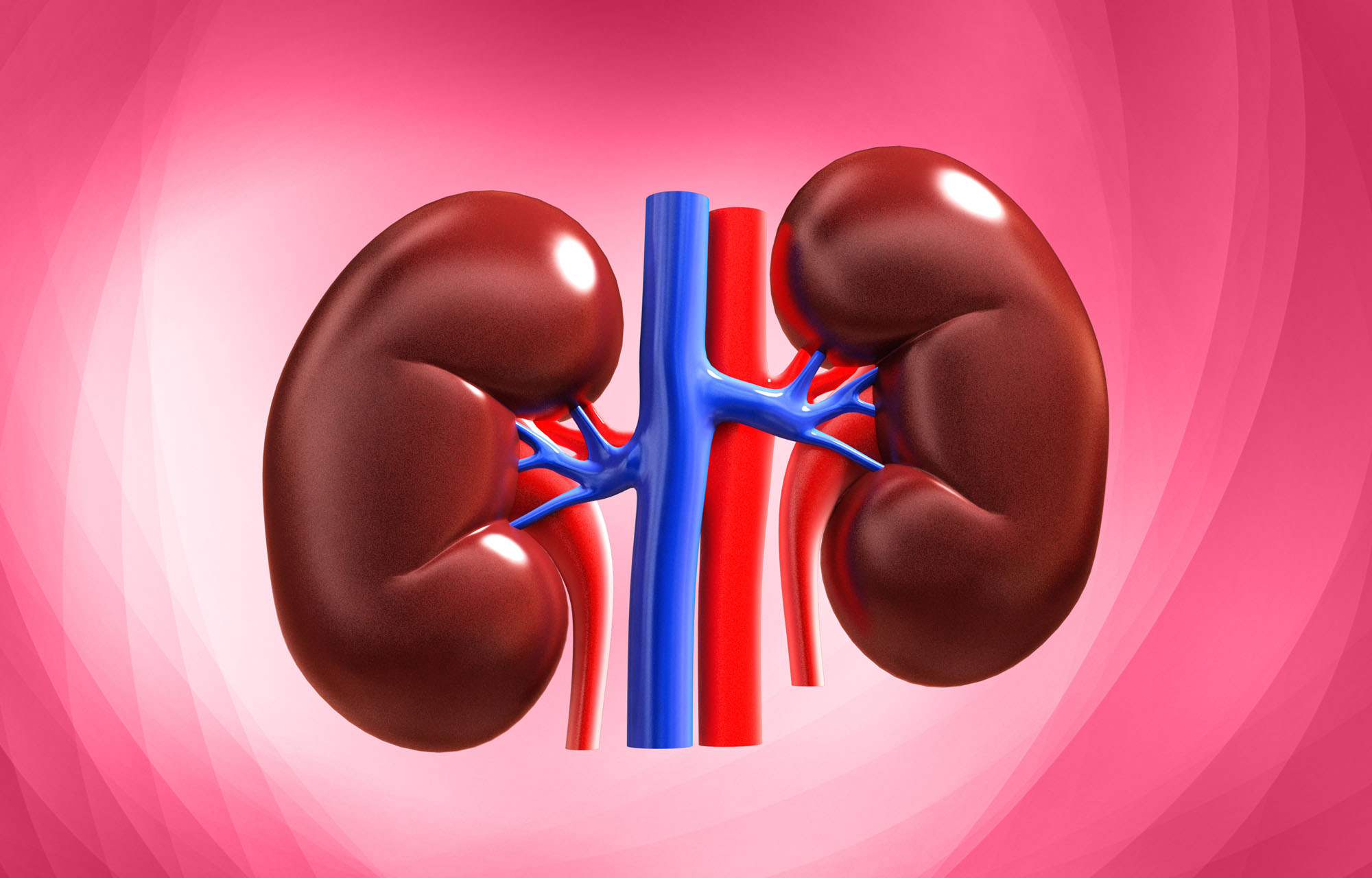
Kidney health is extremely important for maintaining the body’s overall balance and proper functioning. The kidneys help remove waste, control blood pressure, balance fluids, and support healthy body functions. However, many kidney problems develop slowly and often remain unnoticed until the condition becomes serious. Consulting a trusted kidney Specialist in Patna at the right time can help detect kidney disease early and prevent severe complications.
Kidney decline happens when the kidneys gradually lose their ability to filter waste and toxins effectively. Early diagnosis and proper treatment are essential because untreated kidney disease may eventually lead to kidney failure. Understanding the warning signs can help patients seek timely medical care and protect long-term kidney health.
1. Swelling in the Body
One of the most common signs of kidney decline is swelling, also known as edema. When kidneys are not functioning properly, they struggle to remove extra fluid and sodium from the body. As a result, fluid starts building up in different areas.
Patients may notice swelling in:
- Feet and ankles
- Legs
- Hands
- Face or around the eyes
This swelling often becomes more noticeable in the morning or after long periods of sitting or standing. Many people ignore mild swelling initially, but it can indicate reduced kidney function and should not be overlooked.
A professional Best Nephrologist in Patna can evaluate the cause of swelling through kidney function tests and other diagnostic investigations. Early treatment can help manage the condition before it becomes severe.
2. Changes in Urination
Changes in urination patterns are another major warning sign of kidney decline. Since kidneys are responsible for producing urine and removing waste from the body, kidney damage often affects normal urination.
Some common urinary changes include:
- Frequent urination, especially at night
- Reduced urine output
- Foamy or bubbly urine
- Blood in urine
- Pain or burning during urination
- Dark-colored urine
Foamy urine may indicate protein leakage, which can be a sign of kidney damage. Blood in urine should always be medically evaluated because it may indicate kidney infection, stones, or other serious conditions.
People experiencing persistent urinary problems should immediately consult a kidney Specialist in Patna for proper diagnosis and treatment.
3. Constant Fatigue and Weakness
Kidney decline can also affect energy levels and overall physical health. Healthy kidneys help produce a hormone called erythropoietin, which supports red blood cell production. When kidney function decreases, the body may produce fewer red blood cells, leading to anemia.
This often causes symptoms such as:
- Extreme tiredness
- Weakness
- Difficulty concentrating
- Shortness of breath
- Low energy levels
Many patients mistake these symptoms for stress or lack of sleep, but persistent fatigue can sometimes indicate worsening kidney function.
Consulting the Best Nephrologist in Patna can help identify whether fatigue is linked to kidney-related complications or another medical condition.
Why Early Detection Matters
Kidney diseases often progress silently, especially during the early stages. Many patients only realize the severity of the condition when kidney function has already declined significantly. Early diagnosis allows doctors to slow disease progression and reduce complications through medications, lifestyle changes, and proper monitoring.
Regular health checkups are especially important for people who have:
- Diabetes
- High blood pressure
- Obesity
- Family history of kidney disease
- Smoking habits
Routine kidney function tests can help detect problems before symptoms become severe.
Tips to Protect Kidney Health
Maintaining healthy kidneys requires consistent lifestyle habits and preventive care. Some important kidney health tips include:
- Drink enough water daily
- Control blood sugar levels
- Manage blood pressure properly
- Avoid smoking and alcohol
- Limit excessive salt intake
- Exercise regularly
- Avoid unnecessary painkiller use
- Get regular medical checkups
Healthy habits can significantly reduce the risk of kidney disease and support better long-term health.
Conclusion
Kidney decline can seriously affect overall health if warning signs are ignored. Swelling, urinary changes, and constant fatigue are three major symptoms that should never be overlooked. Early diagnosis and timely treatment play an important role in preventing severe kidney damage and improving quality of life.
Consulting an experienced kidney Specialist in Patna ensures proper evaluation, accurate diagnosis, and personalized kidney care. With guidance from the Best Nephrologist in Patna, patients can better manage kidney health and reduce the risk of future complications through preventive care and long-term monitoring.