


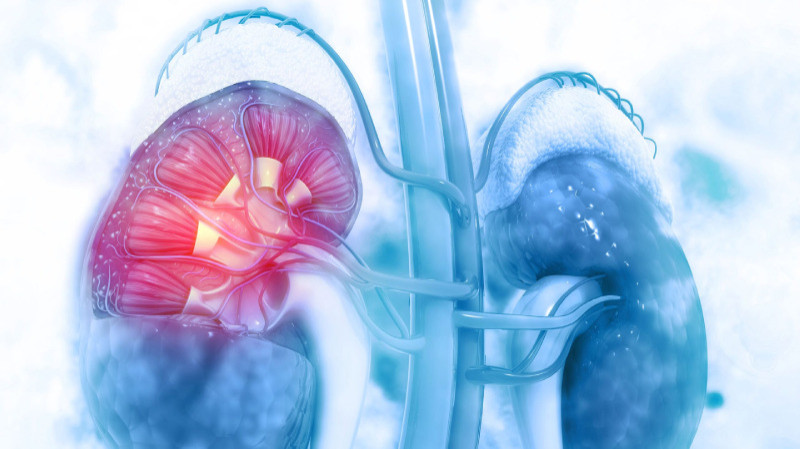

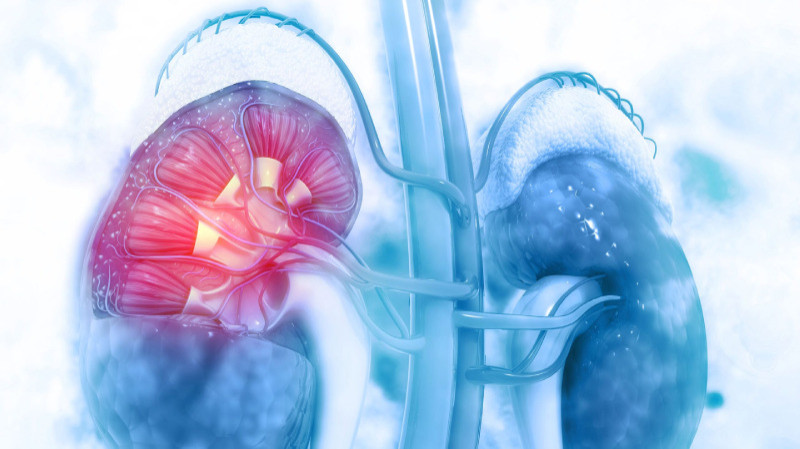
Acute Kidney failure is a condition that happens when you suddenly become incapable of filtering out waste products from your blood. This problem should not be confused with chronic kidney disease, as it is much more aggressive than the former. In other words, within a day or even hours, the body’s natural cleansing system becomes unable to perform normally, which results in the accumulation of toxic waste and imbalance in fluids.
The importance of recognizing such a problem comes from the fact that acute kidney failure should be considered a serious emergency. Unfortunately, the symptoms of this issue may seem like those of regular exhaustion at first glance, so people often fail to recognize that they have a severe health problem before any irreversible processes happen. This is why consulting the Best Nephrologist in Patna at the very first sign of unusual symptoms is crucial to preventing permanent damage.
What Triggers This Sudden Acute Kidney Damage?
The incidence of kidney damage usually does not occur spontaneously and has an apparent causative factor behind it. The kidney damage will be caused by some other condition that leads to reduced blood flow to the kidneys, direct damage to the organs, or obstruction of urine drainage in the urinary tract.
Among the most common health conditions contributing to kidney injuries are:
Severe Dehydration: Extreme dehydration caused by constant vomiting, diarrhea, and even dehydration caused by heat stroke.
Major Illness or Infections: Critical illnesses such as sepsis, or some complications caused by major surgery that lead to the temporary impairment of adequate blood flow to the organs.
Medication Poisoning: Excessive intake of over-the-counter analgesics, or using particular drugs causing excessive strain on the renal tissue.
The Subtle Early Warning Signs to Watch For
The most challenging thing about the condition is that the first signs can be extremely difficult to detect. If either yourself or a family member has recently been ill, undergone any surgery, or has had an infection, then you need to pay particular attention to these early warning signals:
1. Reduced Urine Output
One of the most frequent warning signs is reduced urine output, despite consuming enough water. You may be urinating, but the amount will be much smaller than usual. In some cases, the production of urine may cease altogether.
2. Fluid Build-Up and Swelling (Edema)
If your kidneys are not able to remove all the extra water and sodium from the body, then this leads to fluid build-up in your tissues, resulting in edema. The first places where it occurs will be your ankles, feet, and legs, although swelling may also be visible around your eyes.
3. Unexplained Shortness of Breath
In case fluid accumulates in the body due to poorly functioning kidneys, it is possible to have the accumulation in your lungs. This is what is known as pulmonary edema. You should consider that if you suddenly become breathless or have trouble breathing while undertaking easy activities, your kidneys may be suffering.
4. Persistent Fatigue and Mental Confusion
Kidneys play an important role in cleaning your body from toxins. Once this process stops, there will be an influx of toxins which will affect both the functioning of the brain and your level of energy resulting in lethargy, mental confusion, exhaustion, and sleepiness.
5. Nausea and Chest Pressure
Toxins accumulating within the body often lead to a disturbance of the digestive system, causing nausea, vomiting, or lack of appetite. Besides, fluid retention around your heart can result in chest discomfort.
The Sudden Risks and Long-Term Complications
Failure to address this problem may soon turn life-threatening. Since the kidneys control vital minerals such as potassium, any disruption may lead to a rapid elevation in the level of potassium in the bloodstream. This will cause major problems in the heart including arrhythmias or even cardiac arrest.
Moreover, despite this injury being totally reversible if diagnosed on time, it can become irreversible should this condition be left unattended. This will inevitably lead to CKD or ESRD, which means that you will need constant dialysis or even have to undergo a transplant of your kidney.
When to Seek Expert Care in Patna
Should you experience any of these problems, particularly following an illness or alteration in your prescription medicine, seek the help of a competent medical professional immediately without waiting for your condition to get worse.
If you are among those who need expert health care, it is crucial that you find expert advice promptly. The Best Nephrologist in Patna will diagnose you correctly with tests like blood purification tests and urine testing to spot any early warning sign of kidney distress.
With a kidney specialist in Patna, you will have someone who will work with you to formulate a tailor-made treatment approach. Your therapy could be as simple as administering fluids into your veins or as advanced as dialysis treatment.
Conclusion
Kidney failure occurs rapidly and is critical to attend to urgently, but the early symptoms are usually ignored. Symptoms such as sudden swelling, low urine output, and unusual tiredness could be your saving grace by preventing you from having serious complications. It is important to take charge of your kidney care and seek help from experts as soon as possible.
Frequently Asked Questions (FAQs)
Q1: Are Acute Kidney Injury and Chronic Kidney Disease the same condition?
Ans: No. Acute Kidney Injury occurs suddenly, usually within a few hours to days, and is reversible when the cause is addressed. Chronic Kidney Disease occurs slowly and progressively over several months to years and cannot be reversed.
Q2: Do common pain relievers cause sudden kidney injury?
Ans: Yes. The abuse or misuse of NSAIDs (e.g., ibuprofen and naproxen) significantly limits blood circulation to the kidneys. If you are dehydrated, the medication can cause acute injury.
Q3: How do doctors make a diagnosis of acute kidney injury?
Ans: Doctors usually test your blood and urine for rapid diagnosis. Your blood will have increased levels of creatinine and BUN. You need to monitor your daily urine volumes as well.